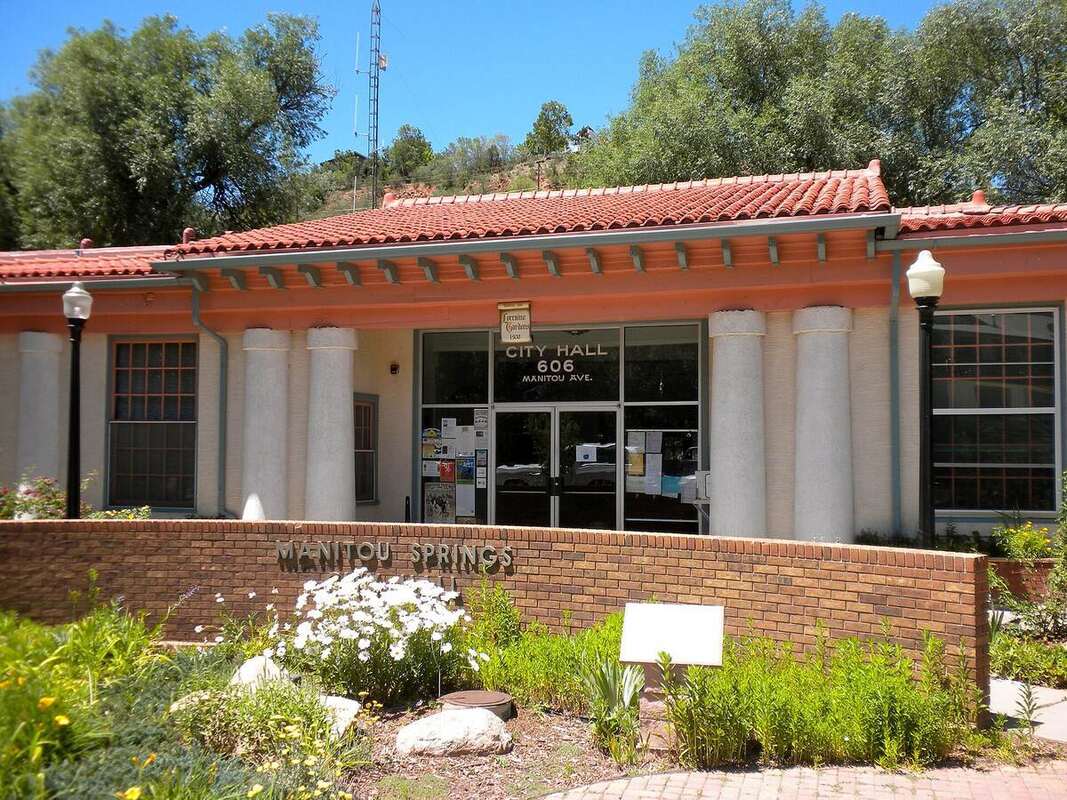
Manitou Springs is a compact, steep, tourism-oriented community where Manitou Avenue, Ruxton Canyon, and the historic downtown grid create access conditions unlike a suburban shopping center. The City identifies its own Water and Sewer Division and utility codes. That means a Manitou Springs restaurant should verify city utility requirements directly rather than assume Colorado Springs Utilities or El Paso County controls its sewer FOG program.
The City of Manitou Springs Water and Sewer Division is the first wastewater contact for a city sewer address, under the City's utility code. El Paso County Public Health may inspect food establishments, but a county health inspection is not proof of the City's sewer pretreatment requirements. Nearby Cascade, Green Mountain Falls, unincorporated properties, and some boundary addresses may use different systems; confirm the provider using the exact service address.
Manitou has a municipal utility relationship of its own
The City's Water and Sewer Division page provides utility-service setup and change instructions, identifies a Utility Clerk, and links the City's utility codes. Those are the appropriate official contacts for a restaurant opening, tenant change, remodel, or sewer problem inside Manitou Springs. The sources reviewed do not publish a citywide commercial FOG interval, interceptor sizing table, or a public grease receiving site. Rather than importing CSU, county, or generic statewide language, ask the Water and Sewer Division for the address-specific grease-removal-device, inspection, recordkeeping, and discharge instructions.
Manitou Avenue access needs advance coordination
The Manitou Avenue commercial strip, Old Manitou Springs, Soda Springs Park area, and Ruxton Canyon have narrow, busy, and sometimes constrained approaches. As planning advice, a restaurant should photograph the trap or interceptor location, identify whether it is under a sidewalk, in a rear alley, or inside the building, and tell the property manager and hauler about stairs, gates, low clearances, and timed loading restrictions. Schedule hose placement away from visitor queues and food-service entrances. These are operational precautions, not claims that the City imposes a particular truck route or appointment window.
Do not confuse health inspection with sewer approval
A food establishment may need food-safety permits and inspections through the applicable public-health agency while separately meeting Manitou Springs utility-code requirements. Keep the grease-device service ticket, photographs of the device condition, and any written City direction in the restaurant's compliance file. If a new hood, dishwasher, fryer, or menu changes wastewater loading, ask the City before work starts whether plumbing or utility review is required. If the property is just outside city limits, repeat the provider check; the City name in an address is not enough.
Plan disposal without claiming a city drop-off
Used fryer oil is a separate yellow-grease stream from the wet solids and FOG pumped out of a trap. Keep the fryer-oil recycler's receipt separate from the interceptor service ticket, and never pour either stream into a drain, storm inlet, or cleanout. Manitou Springs' public utility pages reviewed here do not state that the City accepts commercial grease waste at its wastewater plant or provides a public drop-off. Ask the Water and Sewer Division and the hauler to identify the lawful receiving facility, required paperwork, and any restrictions before loading a truck in the historic core.