Arvada requires a provider check because the city and its surrounding west-metro network have more than one wastewater-service context. Metro Water Recovery's official member list identifies the City of Arvada as a member, while the same regional network also includes sanitation districts. Metro is a wholesale treatment authority; a city or district can still control collection, local pretreatment, and customer requirements. Use the sewer account and parcel—not just the Arvada name—to identify the correct FOG contact.
For a parcel connected to the City of Arvada system, start with Arvada Utility Services for collection and local wastewater direction, then confirm the Metro Water Recovery connection. A sanitation-district parcel inside or near Arvada may have a different local authority. Jefferson County Public Health's Food Safety program inspects retail food establishments, but its food-safety role should not be treated as the sewer/FOG regulator. Confirm the wastewater provider, approved device, and disposal destination before scheduling work.
What the regional record establishes
Metro Water Recovery's 2023 member map lists City of Arvada as member 15 and separately lists districts including Ralston Valley, North Table Mountain, North Washington Street, and others. Metro's Industrial Pretreatment Program protects its treatment works from commercial and industrial discharges, and its rules say hauled waste cannot be discharged into the Metro system without a service contract or permit. The rules allow permits for certain grease-trap and other hauled wastes and require waste-grease transporters to be registered with CDPHE. These facts identify the regional layer, not an automatic Arvada-wide restaurant schedule.
A missing numeric rule is a research boundary
The official sources reviewed for this page did not confirm a single Arvada commercial pump interval, tank-size table, or universal 25% threshold. That is a reason to ask the City or the serving district, not to borrow a number from Westminster, Brighton, or another provider. Before a new kitchen opens, request written direction on interceptor type and sizing, fixtures that must connect, cleaning frequency, records, additives, and any inspection or permit. Keep the answer with the property plans so a later manager does not mistake a county health inspection for sewer approval.
Olde Town and corridor access as planning work
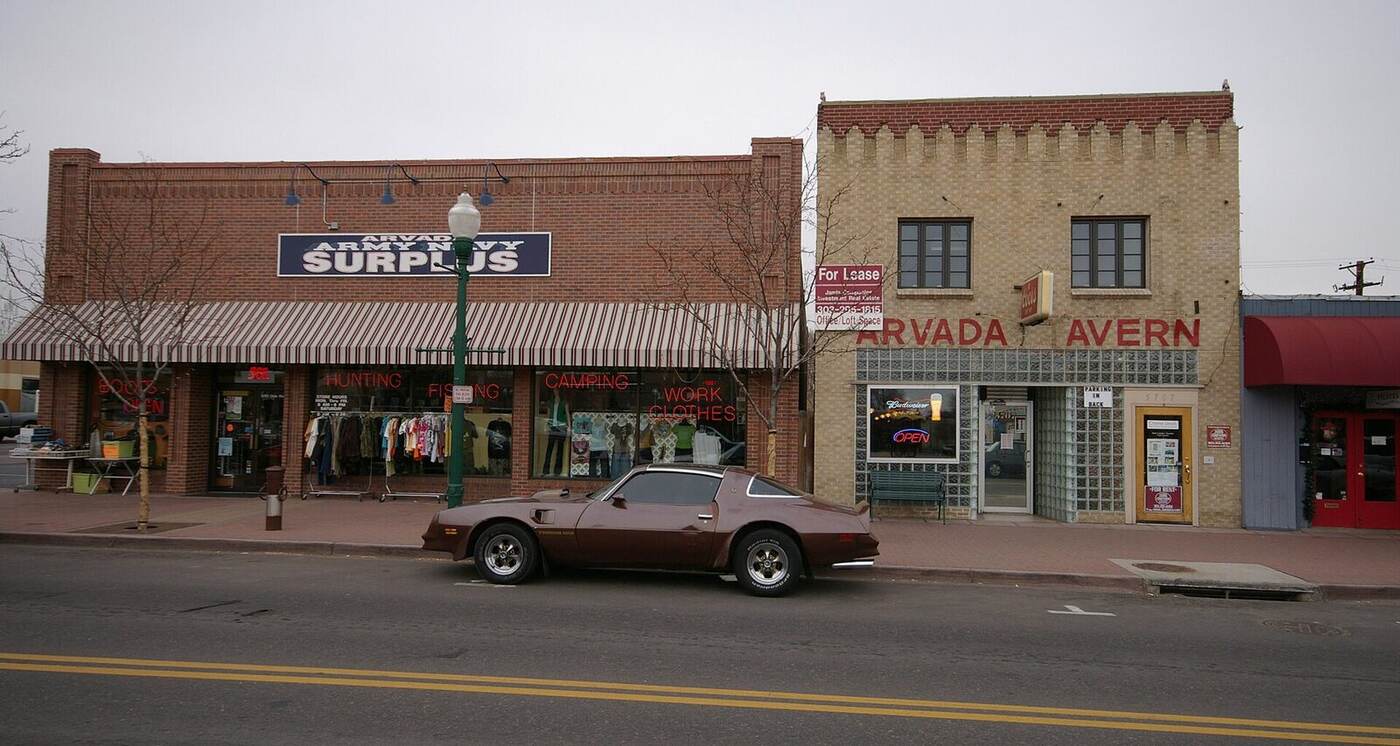
Olde Town Arvada, the Arvada Center, Ralston Valley, West Woods, Wadsworth Boulevard, and 64th Avenue include historic storefronts, multi-tenant centers, and newer commercial sites. Treat access as a pre-service design question: locate every lid and cleanout, photograph the approach, identify overhead clearance and gate contacts, and obtain property-manager permission for a vacuum truck in a shared lot. Olde Town's constrained streets make an agreed service window especially sensible, but this is planning advice rather than a claim of a city traffic rule. Confirm any right-of-way or utility-locate requirement with the provider.
Keep yellow grease separate and prove the destination
Clean spent fryer oil is a different stream from brown grease removed from a trap or interceptor. Neither should be poured into a sink, storm drain, or toilet, and the Metro rules do not make every Metro facility a public drop-off. Ask the serving authority or district whether a hauler needs a discharge permit or vehicle permit, and require a service ticket showing pumping, hauling, and the receiving facility. For a home, ask Arvada or the waste provider for current cooking-oil guidance; do not promise residential recycling or commercial acceptance without an official program statement.