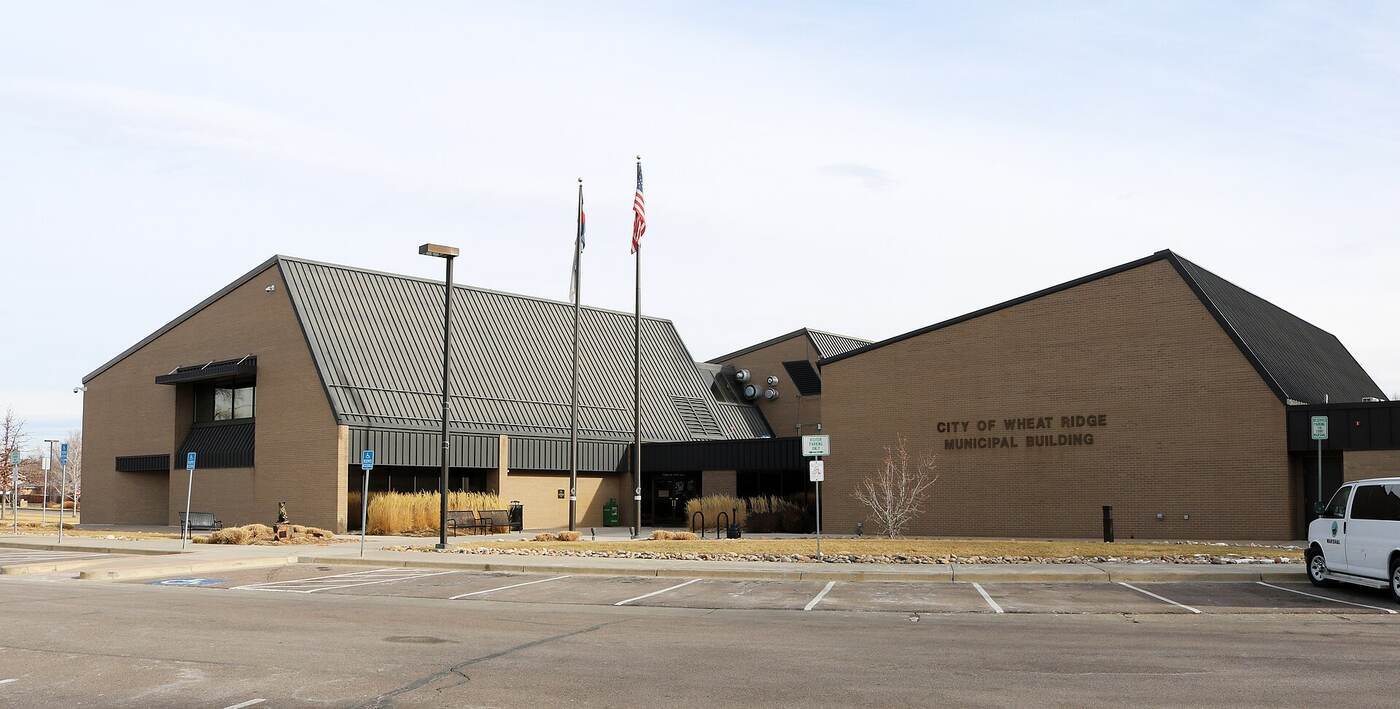
Wheat Ridge combines established neighborhoods with restaurant activity along 38th Avenue, Wadsworth Boulevard, Ward Road, and the Applewood edge. The city’s own utility guidance makes one point especially important for commercial operators: water and sanitary sewer lines are maintained by special districts, so a city name alone does not identify the sewer authority.
The City of Wheat Ridge directs customers to water-district and sanitation-district maps. Wheat Ridge Sanitation District says it maintains, repairs, and replaces sewer mains in streets and alleys and that its sewage is treated by Metro Water Recovery. Metro lists Wheat Ridge Sanitation District among its service-area connectors. Jefferson County Public Health handles retail-food inspections separately. Identify the district for the parcel before asking about FOG equipment, records, or disposal.
Find the sanitation district first
Wheat Ridge’s utility-information page says water and sanitary service lines are owned and maintained by special districts and provides district maps. This is more precise than treating all city limits as one wastewater program. A restaurant on one side of a boundary may have a different contact, application, or maintenance responsibility from a nearby restaurant. Use the parcel’s sanitation-district map, utility bill, lease, and property manager’s records together.
What the district publishes about grease
Wheat Ridge Sanitation District’s customer guidance says absolutely no grease should go down the drain. It also says a property owner is responsible for the service lateral from the building to the district main and should contact the district before cleaning a line so debris does not cause a main-line blockage. That is useful sewer-protection guidance, but it is not a published commercial interceptor schedule. Ask the identified district whether your kitchen needs a trap, interceptor, inspection, or specific service record.
Planning for 38th Avenue and older commercial sites
For independent kitchens along 38th Avenue, Wadsworth, and Ward Road, planning advice is to photograph the lid and cleanout locations, verify who controls any shared vault, and have the owner or district explain the private-lateral boundary before a pump-out or line cleaning. Confirm truck staging, alley access, gate keys, and tenant notification with the property manager. These precautions address site access; they do not establish a district-required frequency.
Keep commercial waste documentation separate
A service ticket should identify the property, date, equipment serviced, amount removed, hauler, and receiving facility. Ask the sanitation district what it wants retained and ask the hauler where trap waste is permitted to go. Neither the city utility page nor the district customer page proves that the City of Wheat Ridge or the district accepts restaurant interceptor waste directly. Used fryer oil for a commercial recycler is a separate stream from trap solids and wastewater.