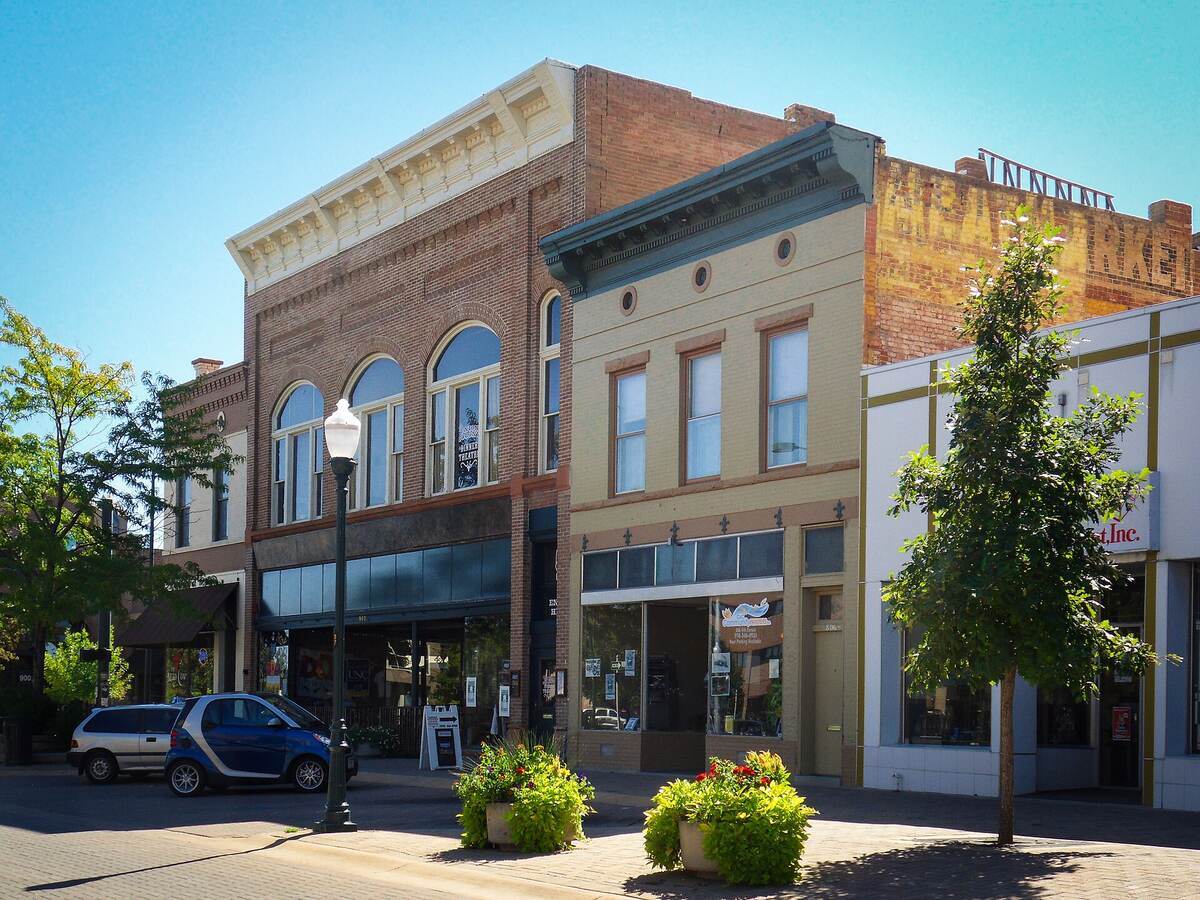
Greeley pairs a UNC-centered dining area with Downtown, the 9th Street and 10th Street corridors, West Greeley, and the 28th Street commercial spine. Its wastewater program is unusually transparent about industrial pretreatment and about what the treatment facility does not accept. A Greeley mailing address is not enough for an Evans, Weld County, or boundary property; confirm the City sewer account and provider first.
For City of Greeley sewer customers, the City's Industrial Pretreatment Program (IPP) regulates industrial and commercial discharges through wastewater-discharge permits and sector-control programs, protecting the Wastewater Treatment and Reclamation Facility (WTRF) and the Cache la Poudre River. Weld County Public Health may inspect food establishments, but it is not the IPP. Evans and other nearby addresses may have different authorities, so verify the sewer provider.
Greeley's IPP reaches commercial users
Greeley says its IPP monitors industry-created pollutants and regulates industrial and commercial users through Wastewater Discharge Permits and Sector Control Programs. The program page provides specific tracks for non-permitted commercial users and Food Service Establishments (FSEs), including FOG best-management-practice materials and an FSE self-certification survey. For a restaurant opening, remodel, brewery, caterer, or institutional kitchen, contact the IPP about a sewer-use permit or commercial-user survey before assuming no paperwork applies.
The WTRF and collection system are different contacts
Greeley Water and Sewer says the City collection system has about 390 miles of pipeline and 11 sewage pumping stations, while the WTRF treats City wastewater to meet or exceed EPA and Colorado Department of Public Health and Environment requirements. The collection page says public crews maintain the system, while property owners are responsible for private service lines. For a backup, first identify whether the problem is inside the building, in the private lateral, or in the public main; for a FOG program question, use IPP rather than a general emergency request.
9th Street, UNC, and West Greeley logistics
Downtown and the 9th Street corridor can involve older storefronts, shared alleys, and event-day pedestrian traffic; UNC-area kitchens may have academic-calendar surges; West Greeley and 28th Street centers more often have shared parking and exterior devices. These are planning cues, not proof of a particular sewer layout. Ask the operator to mark the trap or interceptor, nearest cleanout, gate, loading zone, and hose path, then coordinate with the landlord. Keep truck and hose placement away from diners, students, accessible routes, and emergency access.
Greeley does not accept every hauled waste stream
The City's WTRF and IPP pages explicitly say the Wastewater Treatment and Reclamation Facility does not currently accept hauled wastewater or portable-toilet waste for treatment. That statement should not be expanded into an unsupported claim that the facility accepts restaurant grease. For pumped interceptor contents, ask Greeley's IPP and the licensed hauler for the approved receiving destination, manifest or receipt requirements, and any permit conditions. Keep fryer oil in a separate yellow-grease stream. Never send either stream to a storm drain or return pumped waste to the sewer without written authority.