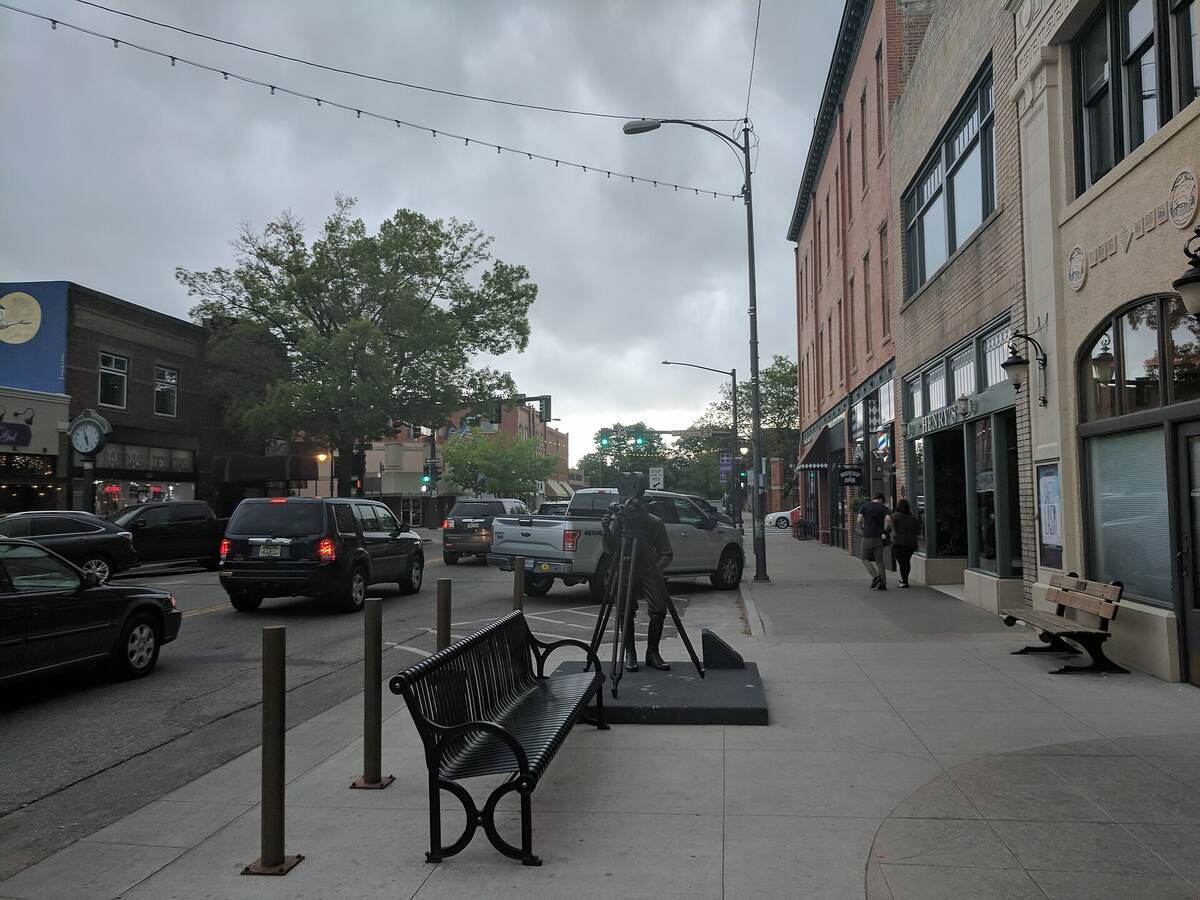
Loveland’s Downtown arts district, Centerra, Boyd Lake, Crossroads, and the Berthoud corridor serve different customer patterns and building types. A Centerra pad with an exterior vault is not operationally the same as a compact Downtown kitchen. Use the parcel’s utility account, approved plans, and access conditions rather than a neighborhood label to plan service.
Loveland Water and Power is the city utility identified in the available city information, and Loveland’s Municipal Code is the legal source for local sewer-use requirements. Larimer County Environmental Health’s retail-food role is separate from wastewater pretreatment. Because the city site’s current public pages do not expose a confirmed restaurant-specific FOG frequency in the reviewed material, ask Loveland Water and Power to verify the sewer provider, interceptor approval, records, and disposal requirements for the exact address.
Confirm the Loveland wastewater connection
Before a remodel or first service, confirm whether the parcel is on Loveland’s municipal wastewater system or another provider’s line. Check the utility account, site plans, lease, and any district information. The city name does not by itself prove who controls a private lateral, shared interceptor, or discharge authorization. Ask Water and Power which department reviews food-service equipment and whether the property has a special pretreatment condition.
Ask rather than import a number
The reviewed official Loveland material does not verify a universal monthly, quarterly, 25%, or 33% restaurant rule. Frequency can depend on interceptor type, menu, solids, flow, and observed loading. A practical planning log should record the device, service date, visible condition, amount removed, and next review date, but that log is not a substitute for the city’s direction. Request the current local trigger and record-retention instruction in writing.
Centerra and Downtown access planning
For Centerra and Crossroads, identify exterior lids in parking or service lanes, confirm truck turning space, and coordinate with the property manager before a pump-out. Downtown Loveland and the arts district may involve shared rear access, tenant coordination, or indoor units; verify keys, ventilation, and safe hose routing. Boyd Lake and the Berthoud corridor can have different private-site arrangements. These are planning considerations, not claims about a particular street’s sewer design.
Disposal documentation and residential oil
Ask the hauler for a service ticket or manifest naming the date, amount, equipment, hauler, and receiving facility, then ask Loveland Water and Power whether it requires a local form or approved destination. The reviewed city material does not prove that Loveland accepts commercial interceptor waste directly. Keep used fryer oil in a separate commercial recycling or hauling stream; residential cooking-oil options are not automatically suitable for a restaurant.