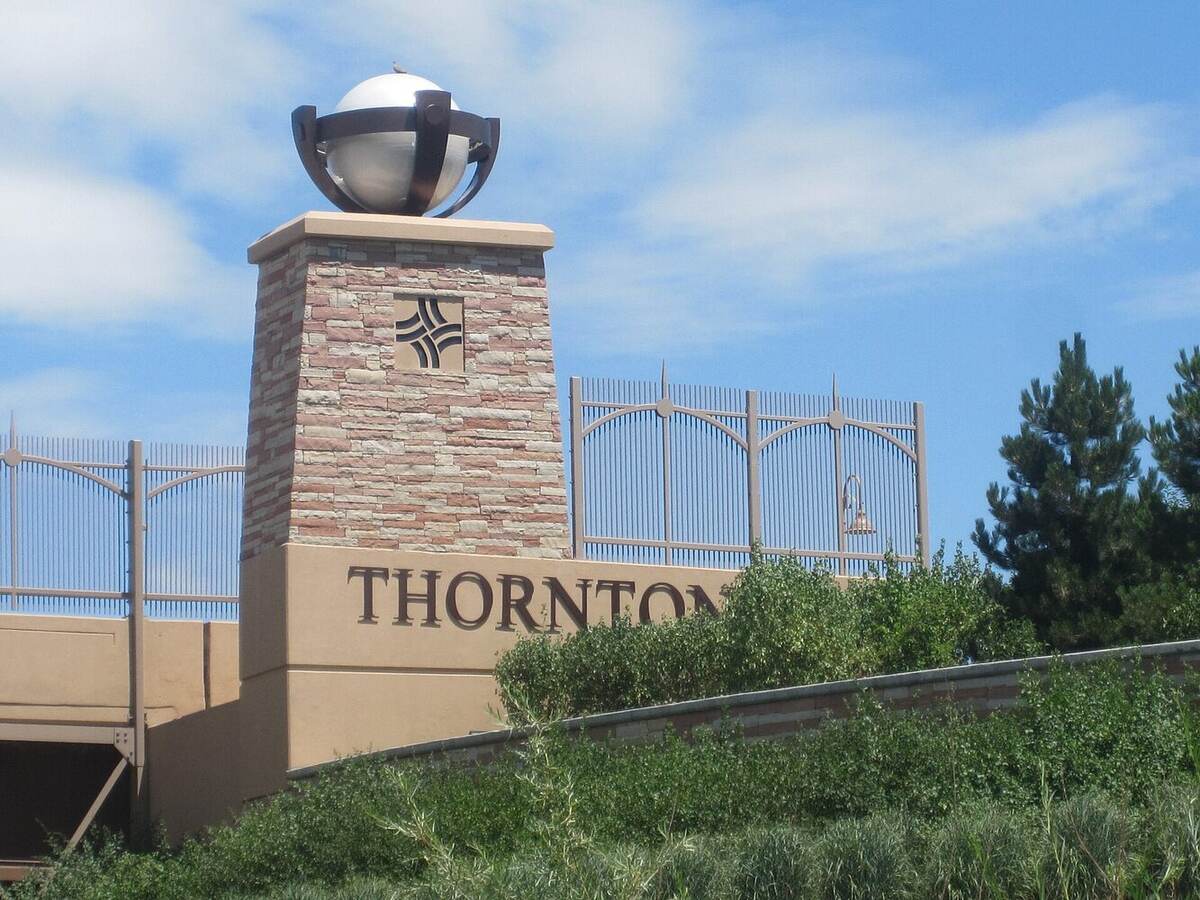
Thornton has two different utility stories that matter to a commercial kitchen: the City of Thornton operates the local wastewater collection system, while Thornton is listed among Metro Water Recovery's members and sends wastewater for regional treatment. That is a wastewater-service relationship, not proof that every parcel inside the city has the same sewer connection. Confirm the sewer account and pretreatment contact for the street address before a new interceptor, remodel, or disposal arrangement.
Start with City of Thornton Utilities Operations for the collection line and customer-side sewer questions. Metro Water Recovery is the regional treatment authority for its connected members and publishes industrial-pretreatment and hauled-waste requirements. Adams County food-safety staff may inspect a food establishment, but that health-inspection role should not be substituted for the sewer/FOG authority. A Thornton address can also be near a district or connector boundary, so ask the City and the treatment authority to confirm who regulates the discharge.
What Thornton's published utility guidance actually says
Thornton's wastewater page describes a collection system that the City maintains and explains that fats, oils, and grease cool on private service lines or public sewer pipes, reducing capacity and contributing to backups and sanitary-sewer spills. The City's public advice for a household is to let cooking grease cool in a can and put the sealed can in the garbage. That is residential cooking-oil guidance, not a commercial restaurant disposal authorization. For a food-service establishment, ask the City or its treatment connector which fixtures need a grease control device, what design is approved, and what maintenance evidence must be kept. Do not import a 25% threshold or a monthly schedule unless the address-specific authority confirms it.
Thornton's regional treatment and hauled-waste paper trail
Metro Water Recovery's industrial-pretreatment page describes the program that protects its publicly owned treatment works. Its published rules say hauled liquid or solid waste may not be discharged into the Metro system without a service contract or a Metro permit, and a separate vehicle permit is required for each vehicle used to discharge hauled waste. The rules specifically cover wastes from grease traps and state that waste-grease transporters must be registered with CDPHE. This does not mean Metro is a walk-in grease drop-off site or that the City accepts a restaurant's tank contents. Before service, identify the receiving facility, ask whether its permit covers this waste stream, and retain the signed pumping/haul/disposal record.
Local corridors and practical access planning
Eastlake, Hunters Glen, the North Washington corridor, 104th Avenue, 136th Avenue, 144th Avenue, and the Riverdale area contain very different site layouts. Use those place names when describing an address, but treat the following as planning advice rather than a Thornton rule: photograph the interceptor lids, measure clearance, identify a truck approach that does not block a drive-through or fire lane, and provide gate, dock, and after-hours access instructions. On dense 104th or 144th Avenue sites, the nearest practical vacuum-truck position may be in a shared parking aisle; obtain the property manager's permission before scheduling. New construction or a kitchen-equipment change should be reviewed before concrete is poured.
Commercial grease is not household recycling
A restaurant's brown grease from a trap or interceptor is contaminated with wastewater and solids; spent fryer oil, often called yellow grease, is a different stream. Thornton's household page does not establish a commercial yellow-grease collection or city recycling program. Keep fryer oil in the kitchen's designated container and arrange its outlet separately from the grease-interceptor pumper. Never pour either stream into a sink, storm drain, toilet, or an interceptor that is not designed for it. If a vendor proposes additives or a destination facility, ask the sewer authority first; a product that liquefies grease can move the problem downstream.