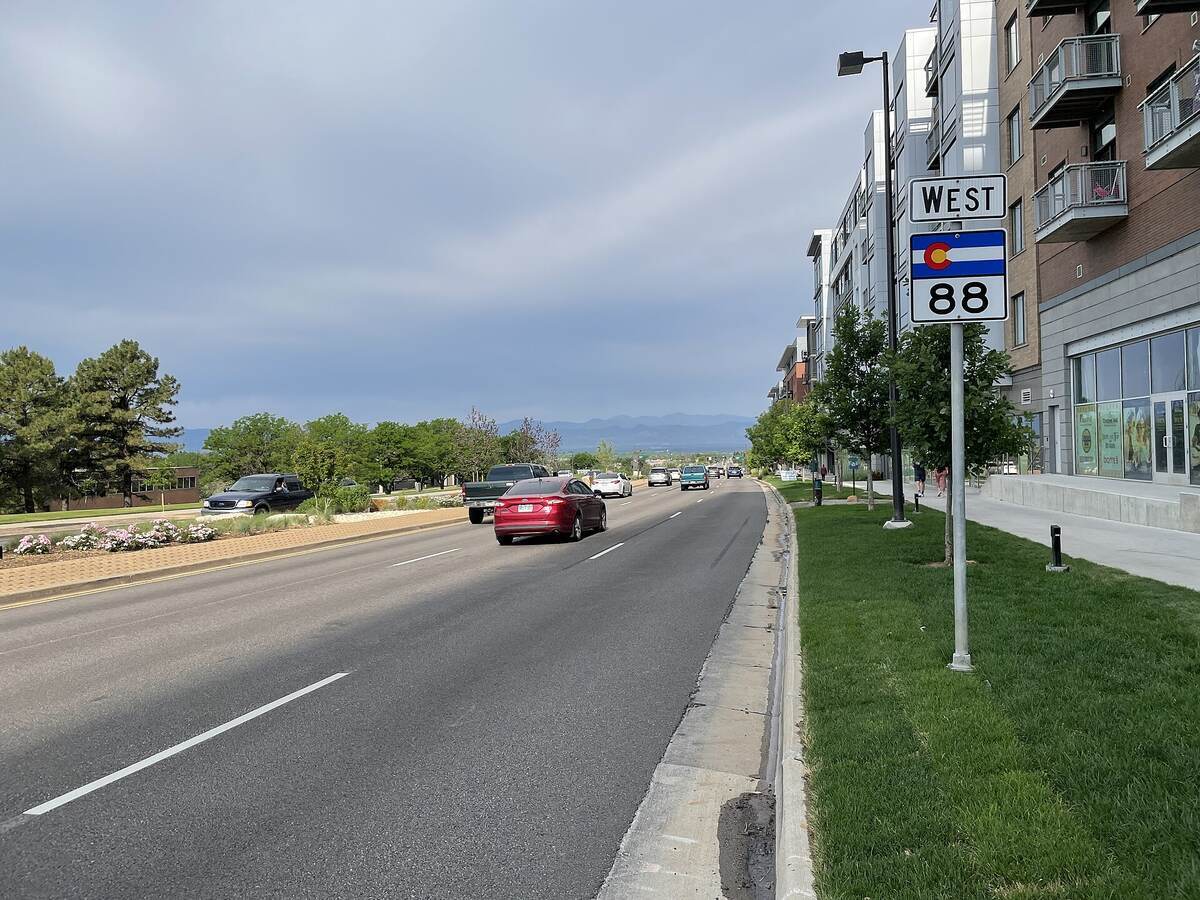
Greenwood Village's Denver Tech Center, Belleview corridor, Orchard Hills, and I-25 office-and-restaurant clusters create a weekday business-dining pattern, but the Village boundary does not by itself identify the sanitary-sewer regulator. A DTC restaurant may share a multi-tenant building, private service line, district connection, or regional treatment connector. Verify the parcel's provider before promising an interceptor schedule or disposal destination.
Greenwood Village's official water-quality guidance distinguishes sanitary sewer from storm sewer: indoor business wastewater is routed to a wastewater facility, while stormwater is discharged untreated to local waterways. The Village page does not establish one citywide commercial FOG program. Use the address-specific sewer district or utility, then ask whether the connection is served by Metro Water Recovery or another provider. Arapahoe County's district maps are a starting point and warn that mapped areas may differ from actual service boundaries.
A DTC address is not a FOG permit
For a Belleview or Orchard Hills restaurant, identify the sanitary-sewer billing provider, collection district, treatment connector, and property-side owner before opening or changing the menu. The DTC's office density can make lunch and catering production predictable, but volume, fixture routing, and shared-building design—not the Village name—determine pretreatment needs. County food licensing, Village business processes, and sewer pretreatment should be tracked as separate approvals. Ask the provider for its current plan-review and records requirements in writing. A building manager's statement that another tenant is compliant is useful background, not a substitute for confirming the new operation's menu and fixtures.
Keep kitchen wastewater out of stormwater
Greenwood Village explains that sanitary sewers carry used water from businesses to a wastewater facility, while storm systems carry untreated runoff to creeks, ponds, and lakes, including the Cherry Creek Reservoir watershed. Never wash interceptor contents, fryer oil, mop water, or food solids into a parking-lot inlet or curb. A stormwater page is not a commercial interceptor permit, so route kitchen fixtures only as approved by the sanitary provider and report any suspected illicit discharge through the responsible authority. This distinction is especially important where a DTC service alley has both sanitary manholes and storm inlets that look similar to a new kitchen crew.
Plan for shared office-park access
DTC restaurants may sit below offices, behind structured parking, or along private drives with building-management rules. This is planning advice, not a claim about Village service frequency: locate the interceptor lid and cleanouts, confirm which suites discharge to it, reserve a safe truck position, and coordinate loading-hour and hose access with the property manager. Ask who owns the private service line and who retains pump-out reports. A recurring appointment is not useful if a locked garage or tenant move blocks the device. Put gate codes, escort requirements, traffic-control needs, and after-hours noise expectations in the access notes, and revisit them after a tenant-improvement project.
Commercial disposal is not household recycling
Separate used fryer oil or yellow grease for a commercial recycler from the liquid and solids pumped from an interceptor. Keep service reports, manifests, and the receiving destination for each stream. Metro Water Recovery publishes industrial-pretreatment and hauled-waste information, but Greenwood Village's official pages do not prove that every Village parcel connects to Metro or that a facility accepts an unpermitted load. Ask the actual sewer provider and receiving authority before transporting any waste; do not advertise city acceptance without confirmation. A fryer-oil pickup ticket documents recycling of oil; it does not prove that a grease interceptor was pumped or that the sanitary discharge met the provider's requirements.