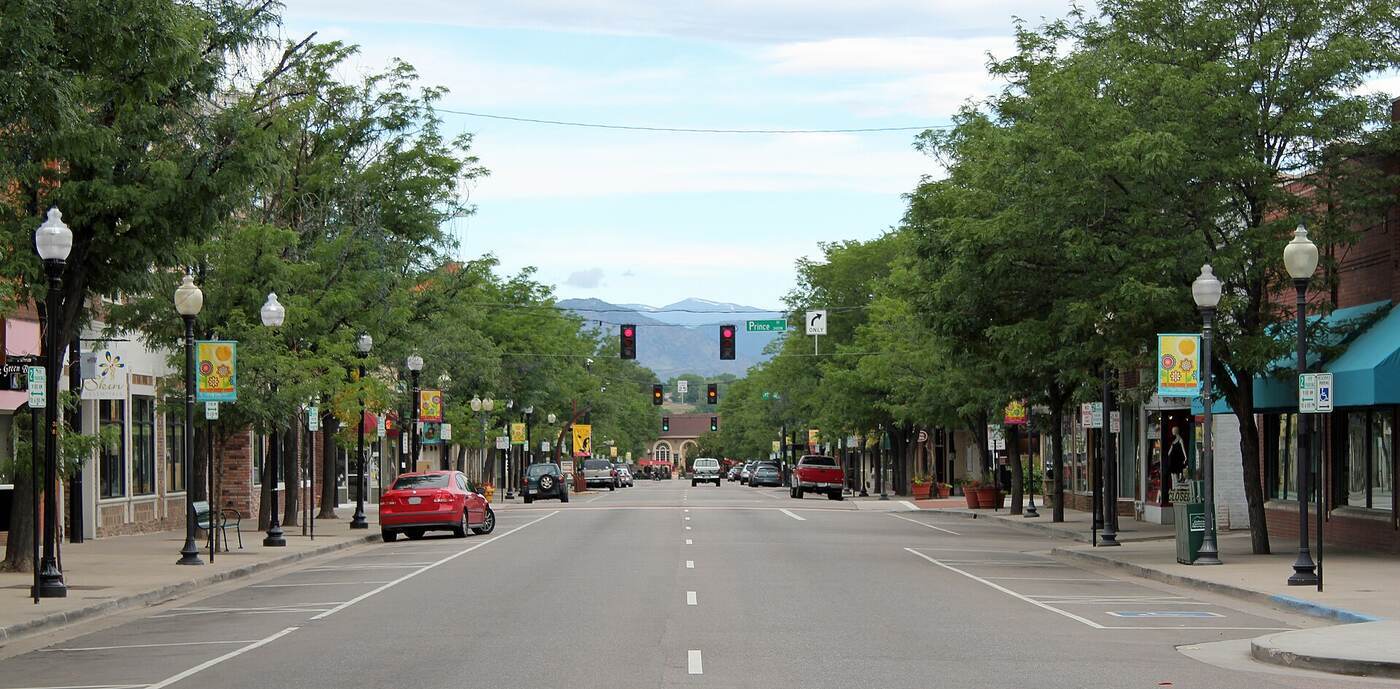
Littleton has a clearly documented regional treatment relationship but not one simple sewer operator for every address. The city says all Littleton wastewater goes to the South Platte Renew plant in Englewood, jointly owned with Englewood, while multiple water and sanitation districts manage sanitary sewers in incorporated and unincorporated Littleton addresses. Downtown Main Street, Aspen Grove, Ken-Caryl, and the C-470 area therefore still require address-level provider verification.
The City of Littleton identifies South Platte Renew as its jointly owned wastewater-treatment plant and provides a Sewer, Water, and Storm District Map to identify the collection district. South Platte Renew's FOG and industrial-pretreatment pages govern its service-area requirements, while the responsible sanitation district controls the address connection and plan-review path. County food licensing is separate from these wastewater authorities.
Treatment plant versus collection district
Littleton's sanitary-sewer page says the South Platte Renew facility serves Littleton and Englewood plus a larger area, including much of unincorporated Littleton addresses. It also says water and sanitation districts manage the sanitary sewer system and directs users to the district map. When a restaurant changes hands, preserve the district name and contact with the lease and permit file. The fact that wastewater reaches South Platte Renew does not by itself identify who approves the interceptor or receives maintenance manifests. Ask the district whether a shared shopping-center device is privately maintained and whether plan submissions go through the district, the city, South Platte Renew, or more than one reviewer.
A confirmed South Platte food-service baseline
South Platte Renew says food establishments must use and maintain grease-removal devices and that interceptors should be pumped and maintained at least every 90 days. Facilities must submit manifests for completed maintenance, although the provider may submit on the facility's behalf. This is the published South Platte Renew requirement for its service area, not a statewide rule. Confirm the current district and business-specific instructions before applying the interval to a property near an incorporated boundary. Employee training, drain screens, dry wiping, trash disposal for food waste, and a waste-grease bin are also listed best practices, but they do not eliminate the maintenance record.
Downtown and suburban access planning
Historic Downtown Littleton's compact Main Street, Aspen Grove's retail layout, Ken-Caryl's larger centers, and C-470-area developments produce different truck and hose routes. This is planning advice, not a claim that South Platte assigns a neighborhood schedule: locate every lid, cleanout, and remote port; coordinate alley, loading, and shared-parking access; and ask who controls the property-side line. South Platte Renew periodically inspects businesses, so keep the device accessible and staff able to identify it. In a historic storefront, check whether a cleanout is hidden by a later patio or enclosure; in a shopping center, confirm which manager can open gates and protect pedestrians during service.
New kitchens and disposal paperwork
South Platte Renew says new food establishments and renovations must send construction drawings to the appropriate sanitation district, including plumbing, fixtures, and grease-removal-device details. Dry-wipe cookware, use screens, put food waste in trash, and separate fryer oil for a commercial recycler. Interceptor contents are not the same as yellow grease. South Platte's hauled-waste page sets limits for its permitted receiving facility; it does not prove that every Littleton restaurant may self-haul every grease or wastewater load there. Put the provider's approval, service reports, manifests, and yellow-grease tickets in separate but cross-referenced files so the next operator can distinguish the streams.