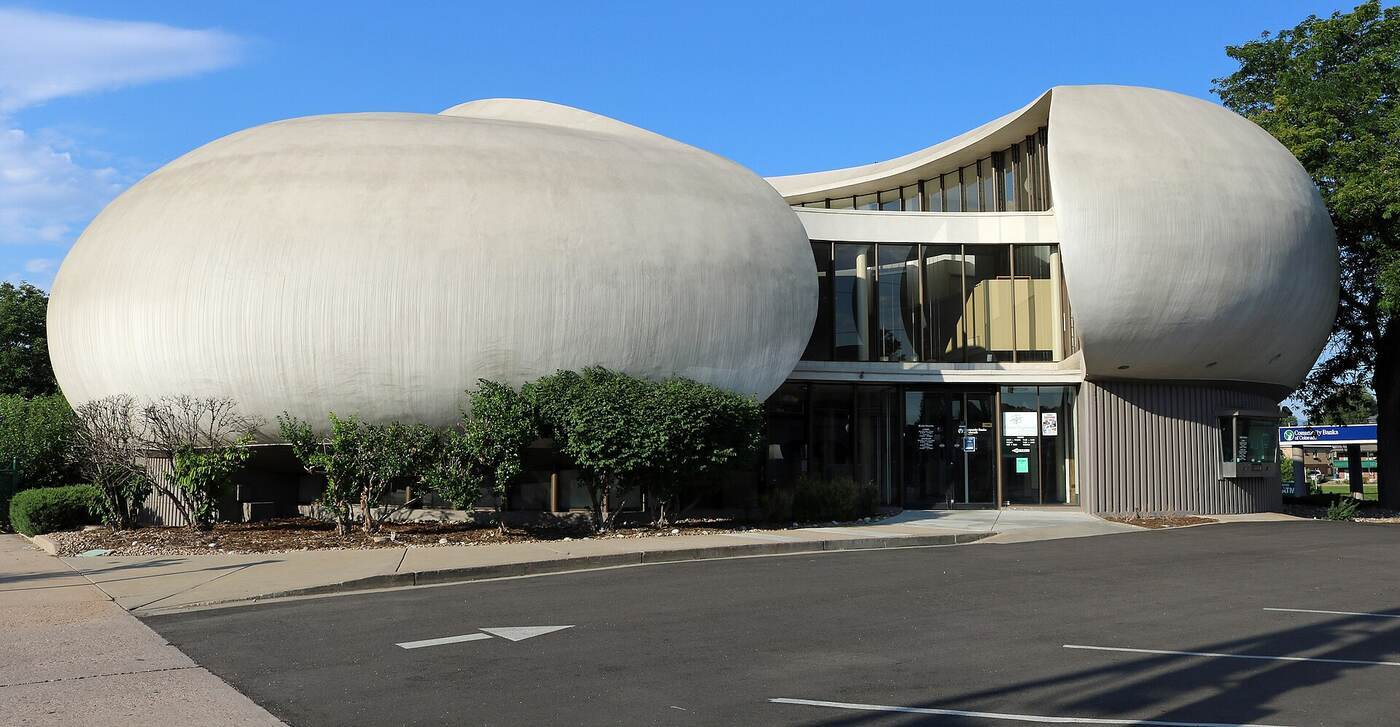
Englewood's South Broadway, Oxford Station, and South Santa Fe areas mix older storefronts, redevelopment, and busy independent kitchens. The useful local distinction is between the collection connection at an address and the regional plant: South Platte Renew is publicly owned and operated by Englewood and Littleton, while its industrial-pretreatment and FOG program applies within its service area. Confirm the address and sanitation district before treating a neighboring restaurant's schedule as a rule.
South Platte Renew is the wastewater-treatment facility jointly operated by the Cities of Englewood and Littleton. Its published industrial-pretreatment page identifies Englewood and Littleton local wastewater ordinances as legal authority, while the food-establishment page directs new projects to the appropriate sanitation district and specifically reviews plans submitted to Englewood and Littleton. Food licensing is a separate public-health process; the sewer provider and South Platte Renew determine wastewater pretreatment obligations.
Englewood's documented FOG baseline
South Platte Renew says food-service establishments must use and maintain grease-removal devices and lists a minimum pump-and-maintain interval of every 90 days. It also says facilities must submit manifests for completed maintenance, although the maintenance provider may submit them on the facility's behalf. This is a South Platte Renew service-area requirement, not a statewide Colorado rule and not a reason to apply the same interval to an unrelated sewer district. Ask the program to confirm the current requirement for the address and operation. The page also identifies employee training, drain screens, dry wiping, waste-grease bins, and keeping cleaning products away from drains as best practices; these controls complement rather than replace the device.
New, remodeled, and changing kitchens
For an opening or renovation on South Broadway or near Oxford Station, submit construction drawings to the appropriate sanitation district with plumbing fixtures and grease-removal-device details. South Platte Renew says it reviews plans submitted to the Cities of Englewood and Littleton for compliance with its Fats, Oils, and Grease Policy, and conducts periodic business inspections. A menu, ownership, or process change should be surfaced early rather than assuming an existing interceptor is sized for the next tenant. Have the designer show fixture routing and access on the plans, and ask who should receive the completed inspection or maintenance file after construction.
Access advice for older corridors
A service plan should map the interceptor lid, cleanouts, and pump port against South Broadway parking, shared alleys, Santa Fe loading areas, and Oxford Station construction or access controls. This is practical planning advice, not a claim that South Platte assigns different frequencies by corridor. Confirm landlord permission, truck staging, hose distance, after-hours noise, and whether multiple tenants share one device. Keep access clear for the periodic inspection described by South Platte Renew. Photographing the access route for the property file can help a new manager distinguish a sanitary interceptor from a storm drain or an unrelated building cleanout.
Grease waste, yellow grease, and manifests
Dry-wipe cookware, use drain screens, put food waste in trash, and keep a waste-grease bin as South Platte Renew recommends. The interceptor pump-out is not the same material as separated fryer oil sent to a yellow-grease recycler. South Platte Renew's separate hauled-waste information says its approved receiving arrangements are limited by waste type; that page is not evidence that a restaurant may bring any load to the plant. Have the hauler and program confirm the destination and retain the manifest. Keep the grease-bin contract and interceptor manifest together but label them separately, since recycling pickup does not document interceptor cleaning.