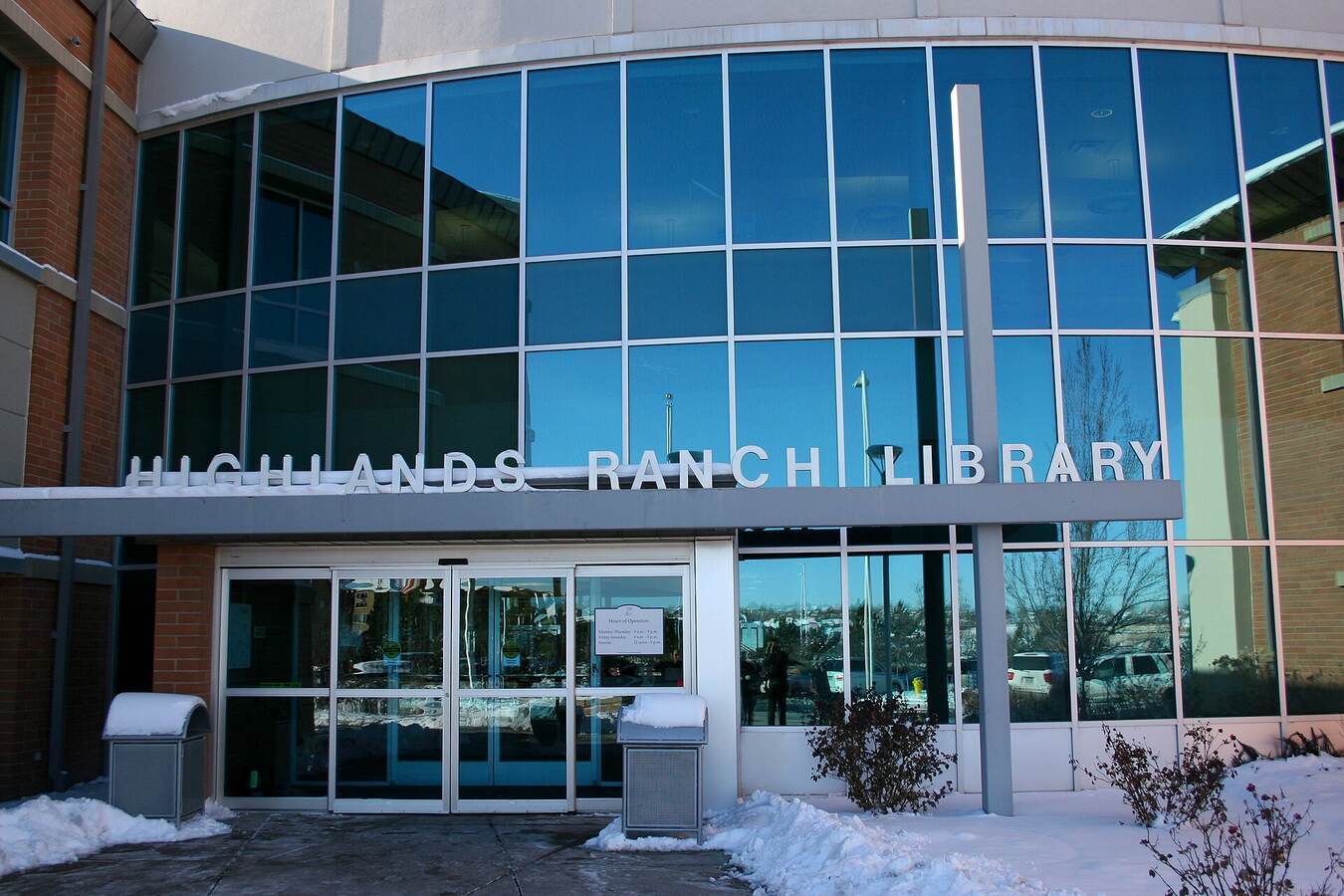
Highlands Ranch is an unincorporated Douglas County community, not an incorporated city, and its sewer rules depend on the service address. Highlands Ranch Water operates the wastewater system serving its district, including the Marcy Gulch Wastewater Treatment Plant. That distinction matters for a restaurant near Town Center, a ridge neighborhood, or a boundary area: confirm the sewer provider before relying on a county food-inspection answer.
For an address inside the Highlands Ranch Water service area, Highlands Ranch Water is the wastewater and FOG authority. Douglas County Public Health may inspect the food establishment, but it is not a substitute for the sewer utility's pretreatment requirements. Solstice and other nearby addresses can have different providers; verify the account or service boundary with Highlands Ranch Water.
Highlands Ranch Water requirements are unusually specific
Highlands Ranch Water's Industrial Pretreatment page says a food establishment must install, maintain, and operate a pretreatment device. Its listed practices include training employees on FOG control, keeping FOG out of drainage fixtures, scraping food and grease from plates, putting food waste in the garbage, and installing drain screens. The page also says the business must collect and recycle cooking grease, called yellow grease, and completely evacuate grease interceptors at least every three months. Pumping and grease-hauling manifests or receipts must be submitted to Highlands Ranch Water within 30 days of each pumping or cleaning. Those are utility requirements for this provider, not a universal Colorado schedule.
A variance is possible, but it is a utility request
The district publishes a Grease Removal Device Cleaning Frequency Request Form for a business that wants a frequency longer than every three months. The form must explain why the longer interval is appropriate; it is not permission to skip service while a request is pending. Keep the signed service ticket, the waste manifest or receipt, and any variance correspondence together at the restaurant. If a remodel changes fixtures, menu, production volume, or interceptor access, ask Highlands Ranch Water whether the pretreatment device and approved frequency still fit the discharge.
Town Center and ridge-area access planning
Town Center, the Northridge, Eastridge, Westridge, and Southridge commercial nodes, and the Backcountry area have different parking layouts and shared commercial drives. Treat those place names as routing clues, not proof of utility coverage. Before a pump-out, ask the manager to identify the lid location, whether it is indoors or in a drive lane, gate or garage access, the safest hose route, and any property-management escort requirement. For an outdoor interceptor, protect pedestrian traffic and keep the truck route clear; for an indoor trap, reserve a clean staging area and plan odor control around dinner prep.
Yellow grease is not interceptor waste
Highlands Ranch Water's wording distinguishes collected and recycled cooking grease from the material removed from an interceptor. A restaurant should not pour fryer oil into a sink or treat a cooking-oil pickup as proof that its interceptor was cleaned. Confirm the yellow-grease recycler and the receiving destination yourself, and retain that pickup record separately. For pumped interceptor contents, ask Highlands Ranch Water which manifest details and disposal destination it expects and use a properly authorized hauler. The district page identifies compliance duties but does not name a public drop-off or say that Highlands Ranch Water accepts hauled grease directly.