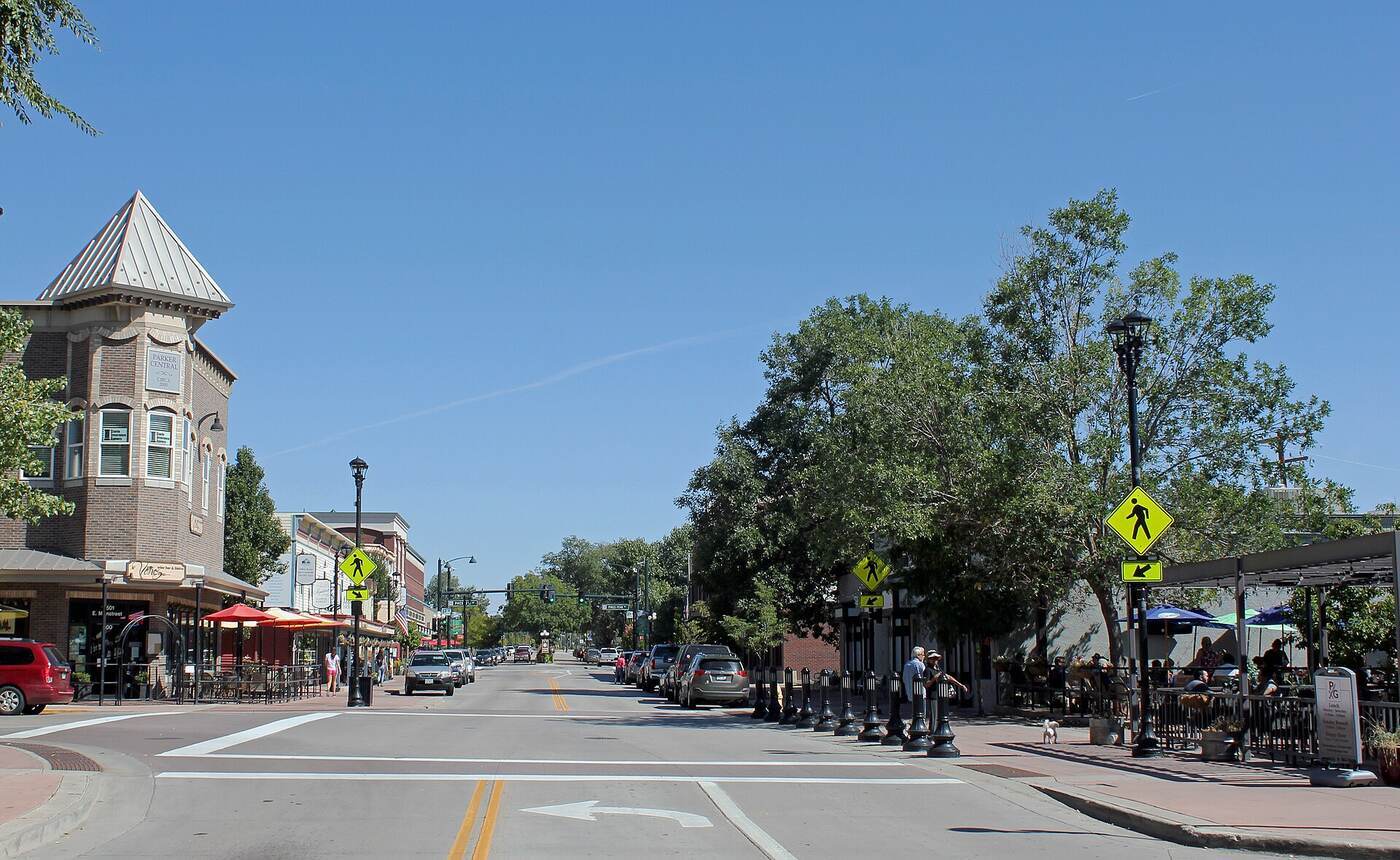
Parker combines a historic Mainstreet dining district with newer restaurant development around Lincoln Avenue, Stonegate, Stroh Ranch, and the E-470 corridor. The provider question comes first: Parker Water and Sanitation District serves a defined district that is not identical to the Town of Parker boundary. A restaurant's sewer account, not its mailing city alone, determines which pretreatment rules and contacts apply.
Parker Water and Sanitation District (PWSD) regulates industrial users discharging to its publicly owned treatment works, including food-service FOG facilities within its service area. The Town of Parker handles municipal permitting and Douglas County Public Health handles food-establishment inspections; neither should be assumed to replace PWSD's sewer authority. Addresses outside PWSD, including some Parker-area developments, must confirm their actual wastewater provider.
PWSD has a written FOG program
PWSD's Industrial Wastewater Control Regulations apply FOG best-management practices to facilities where food is prepared, processed, served, or dishes and equipment are washed. The regulation specifically names restaurants, cafes, fast-food outlets, pizza shops, delicatessens, sandwich shops, coffee shops, schools, nursing homes, and similar facilities. The District can require a gravity grease interceptor and requires written District approval before an interceptor or related plumbing modification is installed. Sinks connected to the interceptor need a mesh or screen for food debris, and the device must remain accessible for inspection, cleaning, and removal.
The confirmed PWSD maintenance thresholds
PWSD states that a gravity grease interceptor must be serviced at least every 90 days and sooner if floating grease plus settled solids exceed 25 percent of hydraulic working capacity, if effluent exceeds the stated 200 mg/L limit, or if unsafe or nuisance conditions arise. The regulation requires a full pump-out with all contents removed; enzyme or biological treatment cannot replace servicing, and emulsifying products are prohibited. The 90-day and 25-percent language belongs to PWSD's regulation. It should not be copied onto a Parker address outside the district without verifying that provider.
Mainstreet and E-470 logistics
Downtown Parker's Mainstreet storefronts, Lincoln Station, Stonegate, Stroh Ranch, Pradera, and the E-470 corridor can present very different access conditions. For a downtown booking, plan around shared alleys, pedestrian activity, storefront doors, and property-management coordination. For a newer center, locate the exterior interceptor and confirm whether a service lane, gate, or tenant-only parking area must be opened. Give the technician the lid dimensions, access distance, truck parking plan, and any HOA or center rules. These are practical site-planning steps, not claims about a particular property's utility layout.
Manifests, licensed hauling, and cooking oil
PWSD requires a record of each pump, cleaning, or repair showing the date, servicing company, and amount removed. It requires a waste manifest or trip ticket kept on site for at least three years and copies provided to the District within 30 days of pumping. The hauler must be registered with the State and the waste must be disposed of under applicable law. PWSD's rule separately prohibits returning pumped interceptor waste to the POTW without approval. Used fryer oil is yellow grease, not interceptor sludge: keep its recycling record separate and ask both the oil recycler and PWSD about their respective destinations.