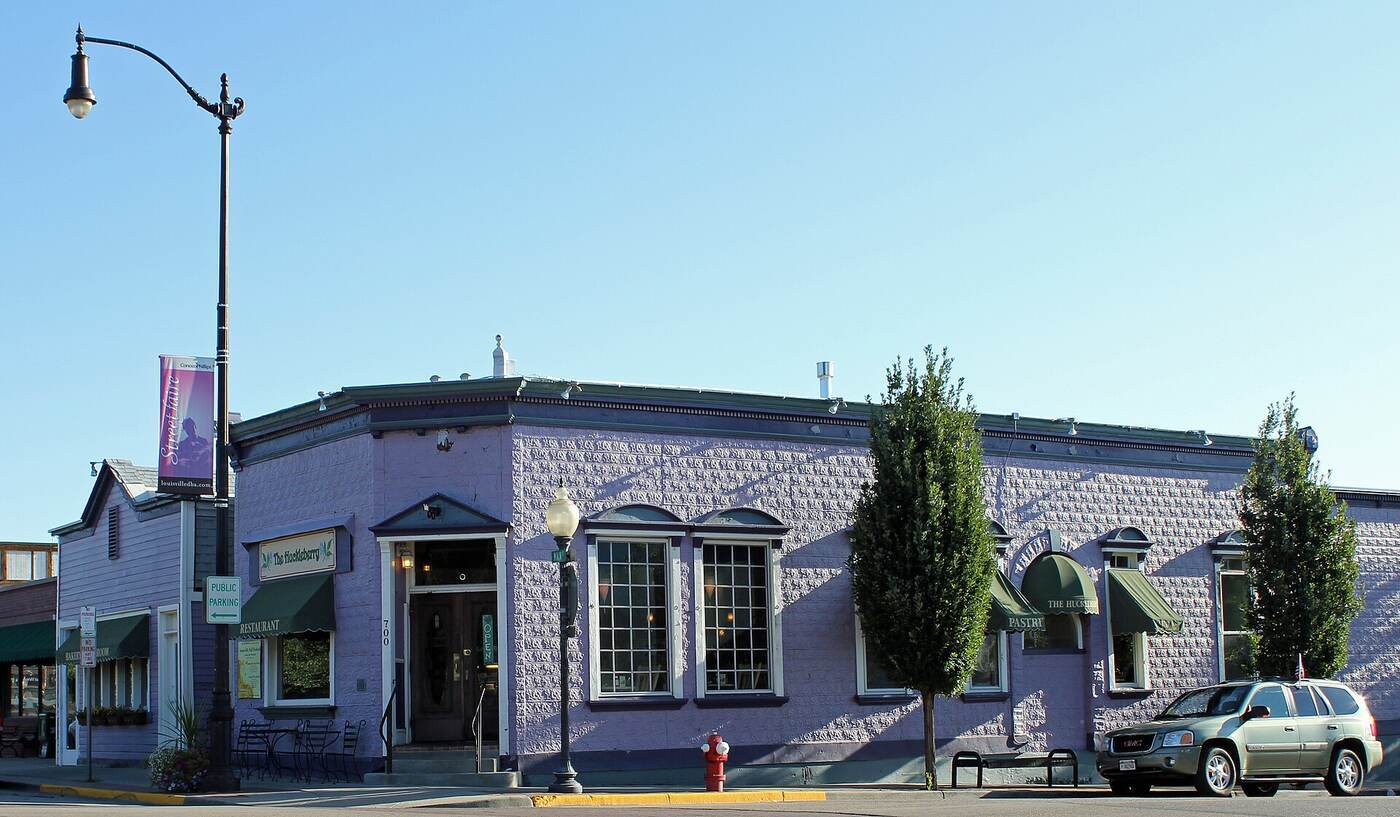
Louisville’s Downtown and historic Main Street restaurants sit in a walkable, older commercial setting, while South Boulder Road, Harper Lake, and Coal Creek Ranch include newer pads and mixed-use sites. A service plan should account for the building’s plumbing and access—not just the Louisville mailing address.
The City of Louisville Public Works Water and Sewer department operates the Louisville wastewater system and Industrial Pretreatment Program. The city says its wastewater plant is designed for household sewage and that non-residential wastewater can be subject to pretreatment rules in Municipal Code Chapter 13.32. Boulder County Public Health’s retail-food work is separate from the city’s sewer-discharge authority. Confirm the property’s city sewer account or any district connection before relying on city guidance.
Louisville requires a grease device for food preparation
Louisville’s waste-controls page states that any business preparing food must install a grease trap or grease interceptor before grease enters the sewer. It distinguishes a trap as usually inside a building and an interceptor as usually buried outside. The city also expressly prohibits using hot water, chemicals, bacteria, or enzymes to dissolve grease before discharge. If a device is not maintained, the city warns of odors, pests, blockages, and possible city fines.
Industrial pretreatment is broader than a restaurant rule
The city says any non-residential business sending non-household wastewater into the sewer is an industrial user that may be subject to its rules. Louisville’s IPP lists thresholds and risk-based circumstances for individual regulation, but a typical restaurant should ask the city whether a discharge permit, equipment approval, or written notification applies rather than assuming that a grease trap alone answers every question. City pretreatment staff can distinguish routine FOG control from a special discharge.
Downtown access and shared plumbing
For Downtown Louisville, Main Street, and older mixed-use buildings, planning advice is to locate the indoor trap or exterior vault, identify shared tenants and cleanouts, and obtain property-manager access before service. For South Boulder Road and Coal Creek Ranch sites, confirm the lid’s load area, gate access, and safe truck staging with the owner. Ask the city which party is responsible for the private line and whether construction or remodeling needs separate approval.
Disposal records are a separate question
Louisville’s public pages establish sewer controls but do not prove that the city accepts restaurant trap waste as a disposal facility. Request a service ticket or manifest that states the date, quantity, equipment, hauler, and receiving facility, then ask Public Works if it requires a particular form or destination. Keep used fryer oil separate for a commercial recycler or hauler. Do not combine it with trap contents or place commercial waste in residential cooking-oil collection.