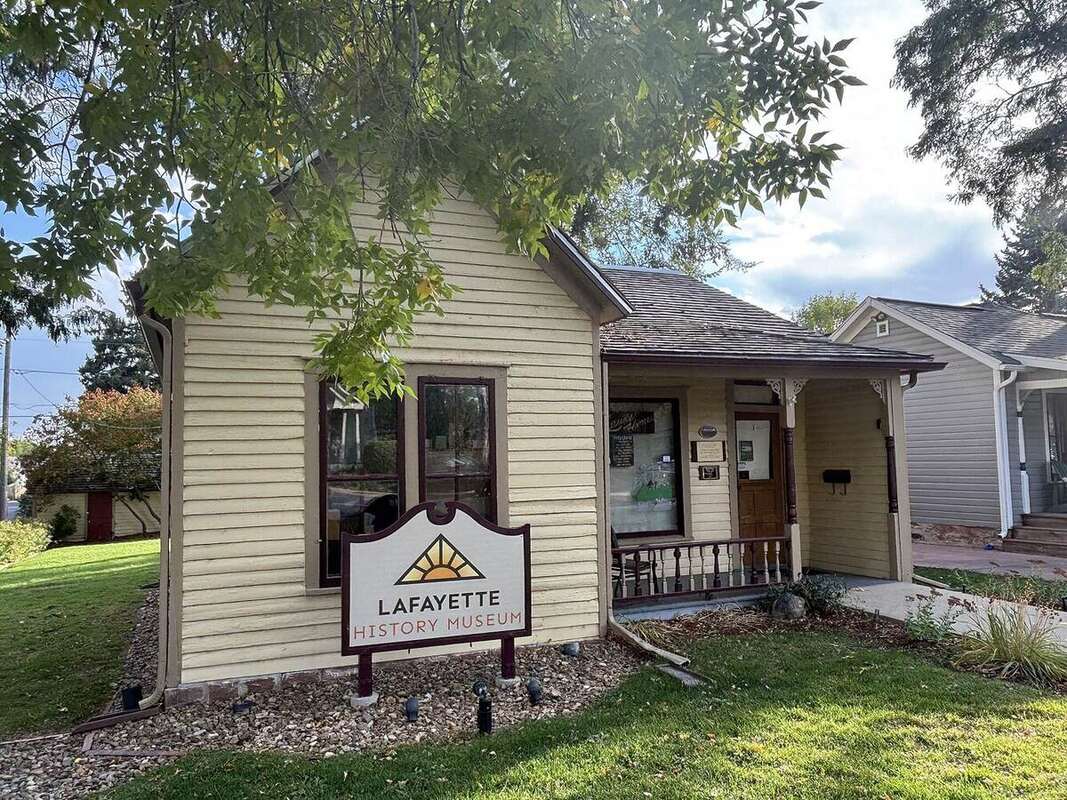
Lafayette’s Downtown and Public Road corridor mix independent cafés, bakeries, and full-service kitchens; South Boulder Road and the E Simpson Street area add different building layouts and service access. The right compliance contact depends on the property’s wastewater connection, not on whether a restaurant is near a city boundary or shares a Boulder County mailing address.
The City of Lafayette Public Works department operates the Lafayette Water Reclamation Facility, which the city describes as treating wastewater and releasing treated water to Coal Creek under regulatory requirements. Boulder County Public Health’s retail-food program is separate from wastewater pretreatment. The city pages reviewed do not publish a current Lafayette-specific commercial FOG frequency or disposal acceptance rule. Verify the parcel’s wastewater account, any sanitation-district connection, and the applicable city or provider contact before setting a schedule.
Lafayette’s treatment plant is not the same as food inspection
Lafayette says its Water Reclamation Facility is designed to treat up to 4.4 million gallons per day and typically processes about 2.5 million gallons per day. That establishes the municipal treatment role, but it does not by itself answer a restaurant’s interceptor size, cleaning trigger, record-retention period, or hauling route. Ask Public Works or the property’s wastewater provider for those facility-specific requirements.
No invented numeric rule
The reviewed Lafayette Public Works, wastewater, and water-quality pages did not confirm a universal 25%, 33%, monthly, or quarterly restaurant rule. Menu, fixture flow, device type, shared plumbing, and local authorization can change the answer. Keep a conservative service log, prevent food solids from entering the drain, and ask the authority to put the required trigger and records in writing rather than borrowing a rule from Boulder, Longmont, or Fort Collins.
Planning access on Lafayette corridors
For Downtown Lafayette and Public Road, plan around narrow storefront access, shared rear service areas, and property-manager coordination; those are practical planning considerations, not claims about a specific street’s sewer layout. South Boulder Road and E Simpson sites may have exterior lids, gates, or parking-lot access. Before booking, photograph the device location, verify lid clearance, arrange keys, and confirm where a service vehicle may stand without obstructing customers or emergency access.
Separate trap waste from fryer oil
Ask the wastewater authority and hauler for a manifest or service record showing date, amount, equipment, and receiving facility. The reviewed Lafayette pages do not prove that the city accepts commercial interceptor waste directly, so do not advertise city acceptance. Used cooking oil held for a commercial recycler is a separate stream from liquid and solids pumped from a trap or interceptor. Residential oil-recycling options, if any, should not be used for commercial trap waste without confirmation.