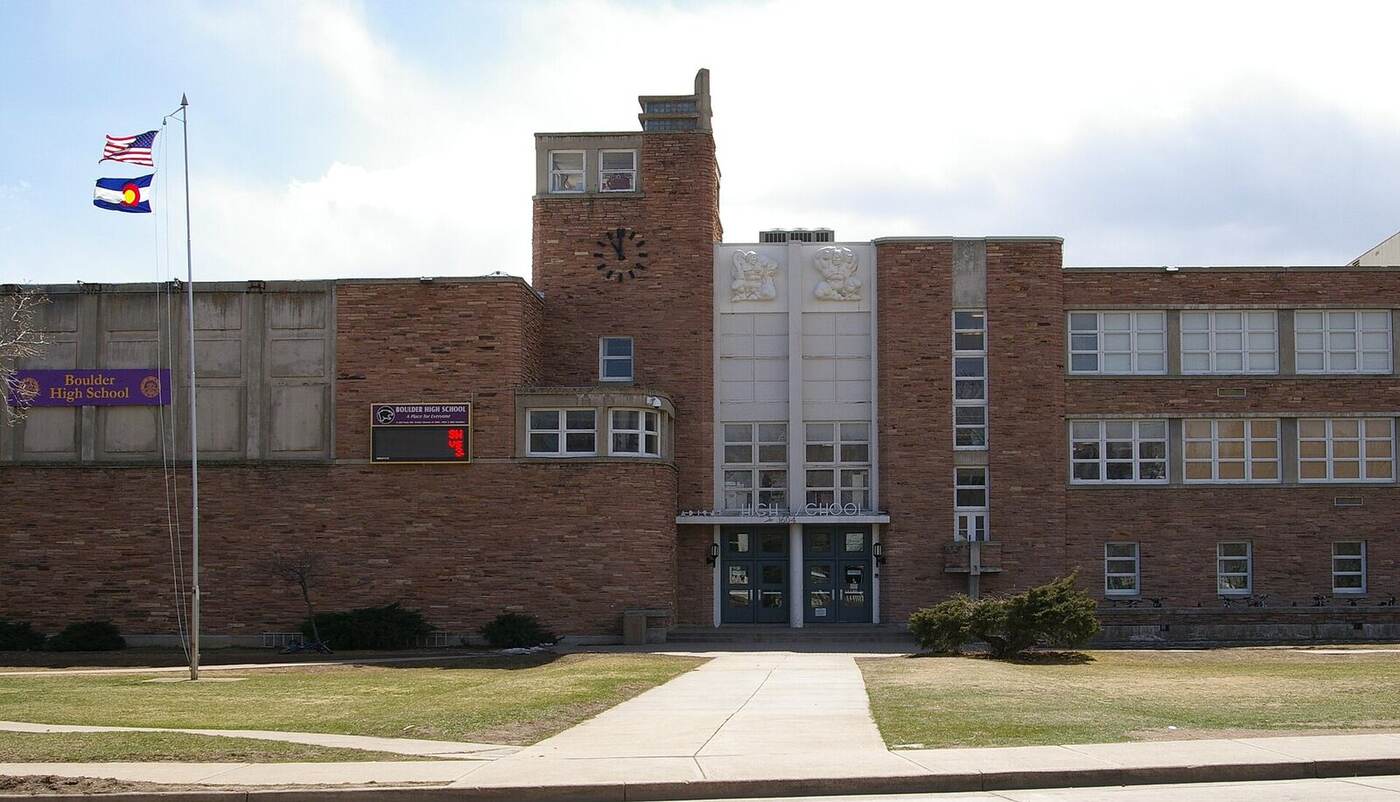
Boulder kitchens cluster in different operating settings: Pearl Street and Downtown have tight, shared commercial buildings; The Hill and University Hill see semester-driven late-night service; East Boulder and Gunbarrel include larger commercial pads. That mix matters more than the city name when planning grease-removal access, capacity, and service timing.
For an address connected to the City of Boulder wastewater system, the City of Boulder Industrial Pretreatment Program—not Boulder County Public Health—is the FOG authority. Boulder Revised Code 11-3-11(b) covers food service establishments, caterers, and food-production facilities with potential to discharge fats, oils, and grease. Boulder County’s retail-food inspections are a separate public-health function. Confirm the sewer account and responsible authority before relying on a schedule.
Boulder’s food-service rule is device-focused
The city says a business with potential to discharge FOG must have a wastewater grease interceptor. The published guidance specifically names deep fryers, woks, grills, cooking pots, cooking oil, dressings, butter, cream, sauces, gravy, and meat drippings. Boulder’s current page says existing FOG-generating businesses have until December 31, 2026 to install a grease-removal device. Treat that as a city deadline to verify with the Industrial Pretreatment Program, not as a statewide Colorado rule.
Choose and maintain the right device
Boulder describes hydromechanical grease interceptors as smaller indoor units using flow control and baffles, and gravity interceptors as larger outdoor vaults often installed with new construction or major remodeling. The city advises sizing for peak inflow, keeping lids accessible, following manufacturer instructions, and keeping food grinders off an HGI. Its maintenance guidance says exterior interceptors may require at least quarterly cleaning or cleaning at 25% capacity; HGIs may need monthly or manufacturer-directed cleaning. Ask the city which condition applies to the installed unit.
Records, BMPs, and service access
Boulder says owners or property managers should retain pumping records for three years. Its guidance calls for strainers or solid separators, plate and cookware scraping, and compost bins in dish areas. It warns that emulsifiers and degreasers move dissolved grease downstream rather than replacing maintenance. Planning advice for Pearl Street, The Hill, and multi-tenant East Boulder: identify lids and baffles before booking, coordinate when a vault is shared, and confirm truck staging without blocking an alley, loading area, or pedestrian frontage.
Manifests are not the same as residential oil recycling
The city says a pumper should provide a manifest showing the amount removed, service date, and grease-disposal location. Keep that document with the three-year maintenance file and ask the hauler to identify the permitted receiving facility; do not represent that Boulder accepts commercial interceptor waste unless the city confirms it. Used fryer oil collected for a commercial recycler is a separate stream from trap or interceptor contents. Residential cooking-oil drop-offs, if available, should not be treated as a commercial FOG disposal route.