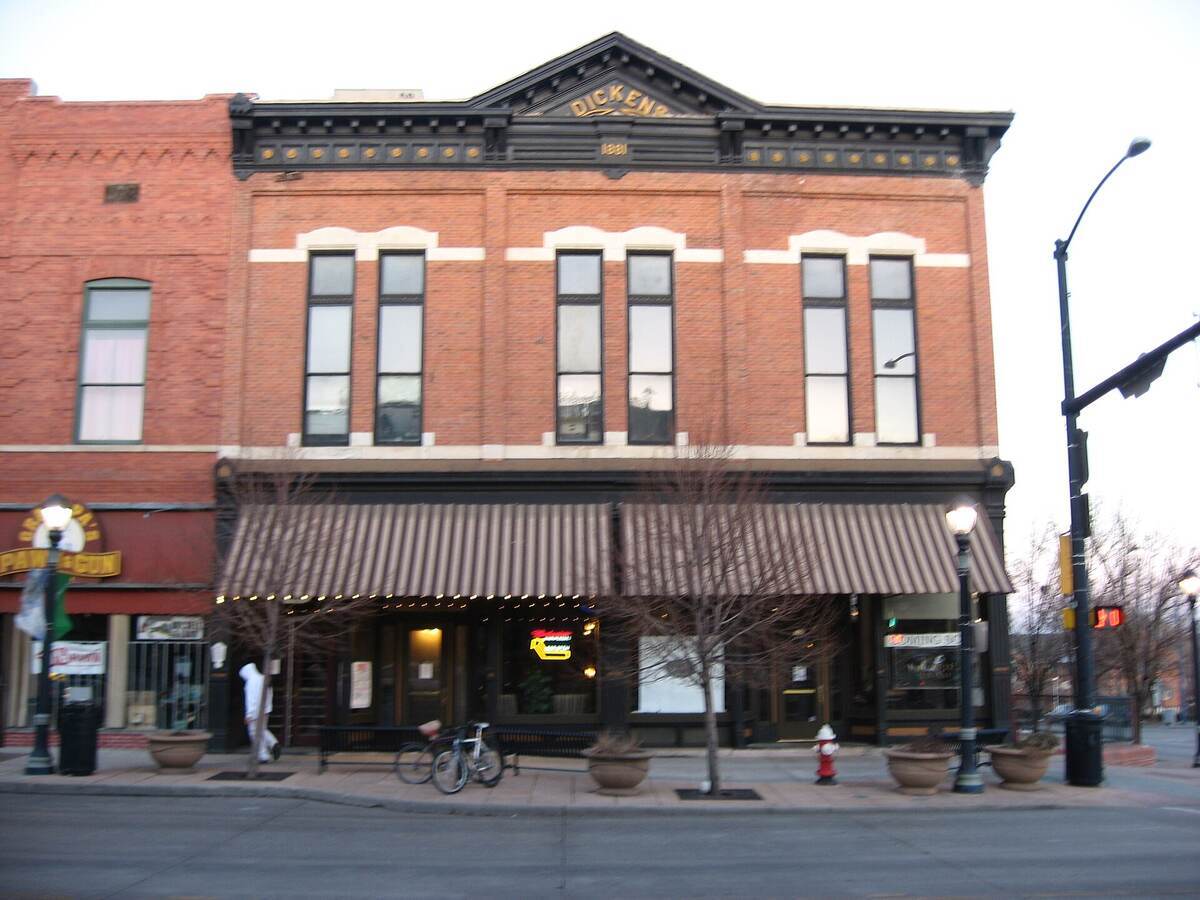
Longmont’s Downtown and Main Street restaurants share a different operating context from Ken Pratt Boulevard, Airport Road, Twin Peaks, and newer northwest sites. The city publishes unusually concrete grease-trap guidance, while access and responsibility still depend on the building, lateral, and wastewater connection.
Longmont Water Quality and the City’s Industrial Pretreatment Program administer the local sewer-discharge requirements. The official grease-trap page says commercial food establishments, businesses with commercial garbage grinders, and operations with grease-blockage potential must install an adequately sized interceptor. Boulder County Public Health’s retail-food inspections are separate. Confirm the city connection and any provider-specific direction before treating the city guidance as applicable to an address outside Longmont’s system.
Longmont’s published interceptor requirement
The city says covered commercial establishments must install an adequately sized grease interceptor, periodically inspect and clean it, and document all maintenance. Longmont suggests maintaining the unit when the tank is 25% filled with solids and grease. That is the city’s published suggestion, not a statewide law or permission to wait when a device is overflowing, poorly sized, or causing a blockage. Ask Water Quality to confirm the correct device and trigger for the site.
Installation and maintenance records
For a new building or new interceptor, Longmont says Building Inspections inspects the interceptor at installation and the Water Department inspects connected laterals; the page directs callers to 303-651-8416 and a Water Inspector. A contractor manifest or invoice can document contracted maintenance, while staff maintenance should be recorded in a log. Keep the device accessible, retain inspection and cleaning documents, and make sure staff can identify every fixture draining through it.
Main Street and Ken Pratt access planning
For Downtown Longmont and Main Street, planning advice is to confirm whether a vault is shared by tenants, whether access is through a rear alley, and who holds keys or controls a loading area. Ken Pratt Boulevard and Airport Road properties may place lids in parking or service lanes; verify clearance and truck staging with the property owner. Twin Peaks and northwest sites still require the same lid, cleanout, and lateral check. These are planning steps, not claims about a particular block.
Discharge and disposal are separate
Longmont’s Industrial Pretreatment page says businesses should contact the program for permission to discharge to the sanitary sewer or an individual discharge permit when applicable. A trap-pumping manifest or invoice should identify the service date, amount, and receiving facility. The city pages do not establish that Longmont accepts every commercial load directly. Used fryer oil for recycling is separate from trap contents, and neither should be routed through a residential program without confirmation.