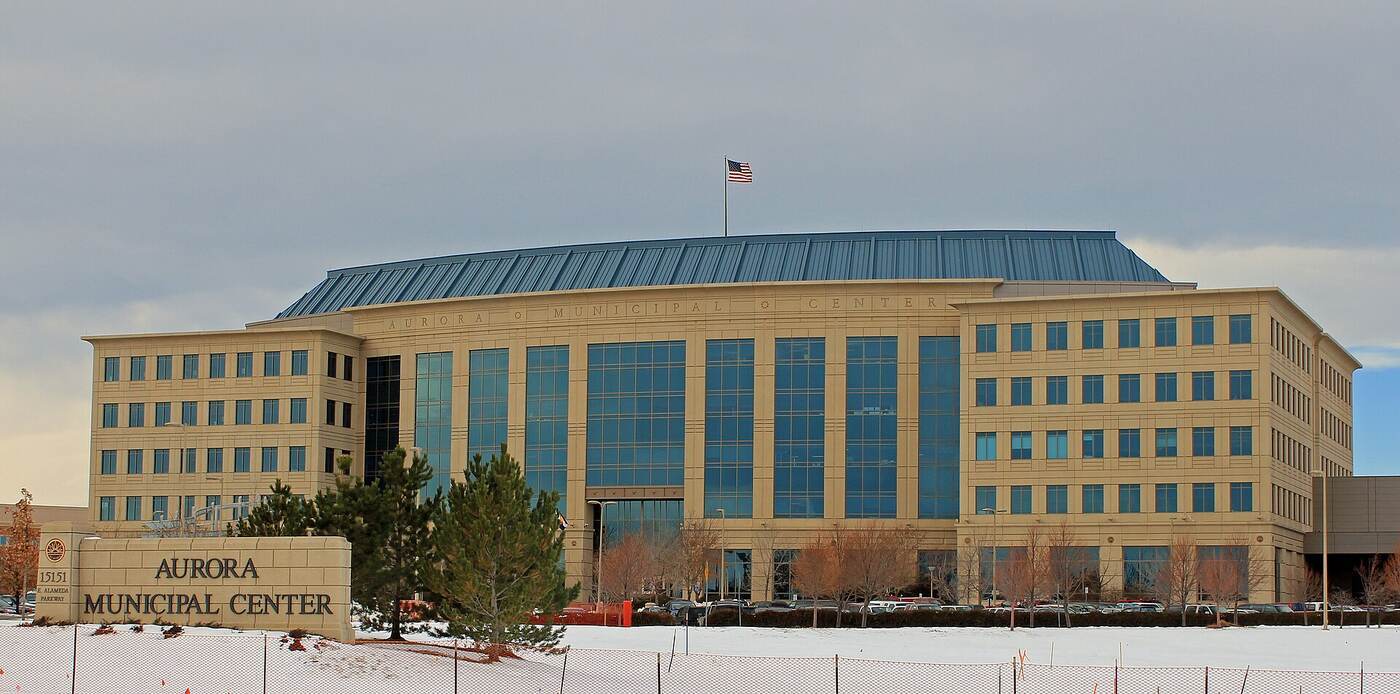
Aurora's food-service footprint runs from Havana Street and Aurora Central to Fitzsimons/Anschutz, the Iliff corridor, Saddle Rock, and Southlands. Aurora Water's wastewater-control rules are more specific than a generic county health checklist: they address the type of food operation, interceptor location, access, service condition, records, and kitchen best management practices. Confirm that the property is on the Aurora sanitary system before applying those rules.
Aurora Water's Wastewater division and its Rules and Regulations Governing Wastewater Control govern pretreatment for discharges to the City of Aurora sanitary-sewer collection system. Aurora Water performs compliance inspections and may set a business-specific interval. Food licensing and inspections are separate. A parcel near a city edge, a metropolitan district, or a special connector should be checked by address with Aurora Water and the billed sewer provider rather than inferred from the Aurora city limit.
Who falls within Aurora's interceptor rule
Aurora's January 2026 Appendix C names food-preparation establishments including cafes, fast-food and pizza outlets, delicatessens, sandwich shops, and coffee shops, as well as other operations capable of discharging fats, oil, and grease to the Aurora sanitary collection system. Private residences are excluded. If space makes an interceptor infeasible, the facility carries the burden of demonstrating that fact and must use approved best management practices if a variance is granted. Being on an upper floor is not, by itself, a reason to remove the requirement. The generator and its consultants are responsible for showing that the proposed discharge complies, so a prior tenant's equipment should be treated as evidence to review rather than automatic approval.
Maintenance is a measured Aurora requirement
Appendix C directs businesses to pump and clean accumulated matter quarterly or as often as needed for efficiency and compliance, and defines a service condition when settled solids and FOG exceed 25 percent of the liquid capacity of either compartment. Aurora Water may require a different interval based on observed problems or noncompliance. Keep pumping and maintenance records onsite for at least three years; partial cleaning and biological, enzymatic, or chemical treatments are not allowed. Keep the facility unobstructed so inspectors and a hauler can reach it safely. The 25 percent figure is an Aurora rule for this context, not permission to wait for an overflow or a number that can be exported to another provider.
Plan a realistic site route
For a Southlands pad, an older Havana strip center, or a Fitzsimons-area mixed-use building, inspect the actual lid, cleanouts, and truck route before promising an appointment window. Aurora's rule says interceptors should be outside on private property, whenever possible within 30 feet of the facility served, and normally precast concrete with two compartments. That is design guidance for a permitted system, not a license to relocate an existing unit. A landlord, civil engineer, and Aurora Water reviewer should resolve shared-building access before work starts. Include locked gates, landscaping, snow or delivery conflicts, and the location of any food-waste grinder in the site walk; Aurora's rules address grinder routing and require access to remain unobstructed.
Commercial grease is not household oil
Aurora's kitchen BMPs require scraping food and grease into garbage, installing drain screens, training employees, and collecting cooking grease (yellow grease) for recycling. That yellow-grease stream is separate from the aqueous solids and FOG pumped from an interceptor. Aurora's residential guidance says residents should seal used cooking oil or grease in a container and throw it away; it does not prove that the city accepts a restaurant's load. A commercial operator should use a properly licensed or accredited hauler and obtain destination and record instructions from the applicable authority. Keep fryer-oil pickup tickets separate from interceptor pump-out reports so an inspector can tell which waste stream was handled.