⚡ Service Guaranteed Within 48 Hours — Often Same Day  ·  (720) 599-1555  ·  Denver Metro · Boulder · Fort Collins · Colorado Springs
Services Pricing Service Areas Compliance Regulations Pumping Calculator Contact Portals 🍽️ Customer Portal 👷 Field Employee Portal ⚡ Book Now

Denver Grease Trap Cleaning
& Restaurant FOG Service

Flat-rate pricing · 48-hour guarantee · Compliance documentation included

📞 Call (720) 599-1555 Book Online →
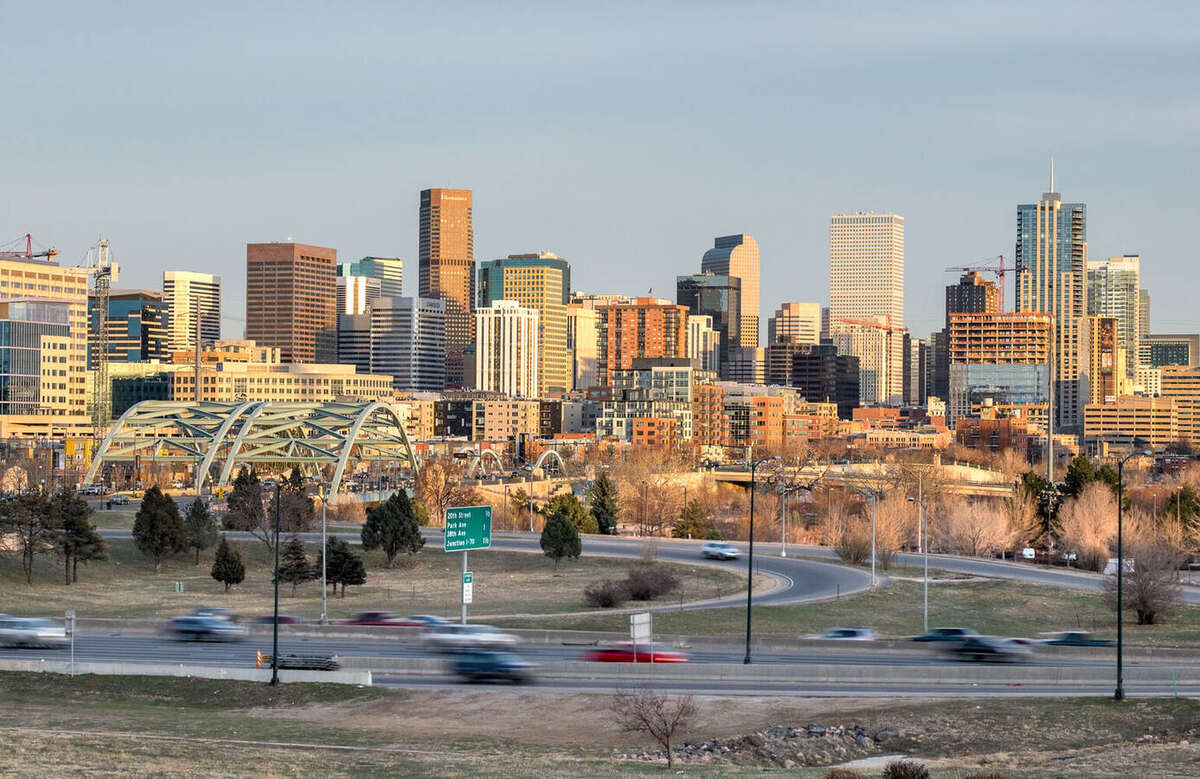
Denver skyline at sunset
Denver skyline at sunset in Denver, Colorado. · Credit: Alex Gray via Wikimedia Commons · CC BY 3.0

Denver grease trap service research

Denver's commercial-kitchen rules are unusually plan-review driven. A restaurant in RiNo, LoDo, Cherry Creek, or South Broadway is not governed simply by its neighborhood name: the building's sanitary connection, food-service process, and current Sewer Use and Drainage Permit (SUDP) review determine what pretreatment is required. That distinction matters when a tenant takes over an older space or changes a menu.

The City and County of Denver Department of Transportation and Infrastructure (DOTI) Wastewater Management operates the municipal sanitary-sewer system and reviews SUDP work. Denver Water bills sanitary-sewer charges, but billing and food-establishment health licensing are not substitutes for DOTI wastewater review. Confirm the address, connection, and current permit path with DOTI before relying on a prior tenant's interceptor or on a county rule.

Denver's actual review path

Denver's SUDP food-and-beverage guidance says grease-interceptor designs belong in the restaurant's building-permit documents. It describes interceptors as required at nonresidential premises where food is prepared or processed, or where an industrial process involves organic waste, while allowing a project-specific variance process for facilities that generate little or no grease or solids. Existing interceptors may need inspection for condition and size before approval. A change in mode of operation, such as a new process, menu, seating capacity, equipment, or space, triggers additional review even when ownership alone might not. Keep the approved plans, fixture schedule, inspection findings, and any variance together; a service receipt cannot replace a design review when the use changes.

Fixture routing is not one-size-fits-all

Denver's current SUDP answers make the local distinction concrete: kitchen, food-preparation, and ware-washing dishwashers and hand-wash sinks in those areas route through the interceptor; beverage-service bar dishwashers generally do not. A beverage-only station or a coffee shop serving prepackaged or heat-and-serve food may not need the same system, but DOTI makes the final determination. An interceptor in a basement can be permitted when maintenance access is provided; an ejector upstream of it is not allowed. Ask the reviewer before plumbing a shared tenant space. The same caution applies to a mop sink: location and whether it is the tenant's only mop sink can change the routing analysis.

Corridor planning and truck access

RiNo breweries and restaurants, LoDo's tight historic blocks, Cherry Creek's structured parking, and the older South Broadway and Globeville commercial stock create different access problems. This is planning advice, not a claim that the city assigns different frequencies by neighborhood: walk the route from the interceptor lid or pump-out port to a legal truck position, check alley and loading restrictions, and coordinate with a landlord before booking. For a shared building, identify which tenant fixtures drain to the device and leave the lid, cleanouts, and remote ports unobstructed. In a basement or structured-parking setting, confirm fixed-port or hose access with the designer; do not assume a truck can park directly over the tank.

Records, manifests, and two different grease streams

Treat pumped interceptor contents as commercial wastewater waste, not as a used-cooking-oil recycling pickup. Keep the service report, measured condition, date, and destination documentation with the SUDP and maintenance file, and ask DOTI or the receiving authority what records the permit requires. Used fryer oil or yellow grease should be collected separately for a qualified recycler or hauler. Denver's public wastewater pages do not establish a city drop-off or acceptance program for a restaurant's hauled grease, so never describe a disposal site as approved without written confirmation. Drain screens and dry wiping reduce what reaches the device, but they do not waive an interceptor, inspection, or hauling obligation.
Neighborhoods and commercial areas

RiNoLoDoCherry CreekCapitol HillFive PointsHighlandsBakerSouth BroadwayGlobevilleCentral Park
Research sources
Reviewed
⏱️
48-Hour Guarantee
Or we refund the difference
💲
Flat-Rate Pricing
Know the price before we arrive
📋
Compliance Docs
Included with every service
🔍
Free First Inspection
No charge for new customers

Local service planning for Denver restaurants

Also Serving Nearby Cities

Our routes connect Denver with nearby communities, so restaurant operators can coordinate routine and urgent service across locations. For local requirements, review the Colorado regulations guide and confirm details with the applicable authority.

Aurora, Lakewood, Englewood, Thornton

Our Denver Service Pricing

Small Grease Trap
Up to 50 gallons · Under-sink & compact
$200
Medium Grease Trap MOST COMMON
50–200 gallons · Most restaurant sizes
$250
Large Grease Trap / Interceptor
200+ gallons · High-volume operations
$350
Emergency Same-Day Service
Backup, overflow, inspection tomorrow
+$75

All prices are flat-rate. No hidden disposal fees. See the full pricing details before booking. Compliance documentation included. Recurring service discounts available — up to 15% off for monthly contracts. For large systems, see grease interceptor service.

What's Included With Every Denver Grease Trap Cleaning

🧹

Full Pump-Out & Scrape

We remove all accumulated FOG from the trap, scrape the baffles and interior walls, and flush the inlet/outlet lines. You get a fully clean system — not just a partial pump.

📋

Compliance Report

Every service generates a signed service record with the service date, technician, grease level, and findings. Keep it with your maintenance records for future inspections; our compliance guide explains the documentation context.

🔍

Condition Assessment

Our tech checks baffle condition, inlet/outlet integrity, and looks for cracks or damage while we're in there. If something's wrong, we tell you before it becomes an emergency — not after.

📅

Next Service Reminder

We set your next service reminder based on your trap size, kitchen volume, and menu type. You'll get a reminder before you're due — no guessing, no surprises. Our service interval calculator is a planning estimate, not a legal compliance calculation; confirm locally.

Grease Trap FAQs for Denver Restaurants

Is Denver Water the regulator for my grease interceptor?

Denver Water handles water and sewer billing, while DOTI Wastewater Management handles the municipal sewer and SUDP review. Ask DOTI about interceptor design, inspection, and discharge requirements for the address.

Does a change of restaurant ownership automatically require a new interceptor?

Not necessarily. Denver says ownership alone is evaluated differently from a changed process, menu, seating capacity, equipment, or space. Have DOTI review the proposed operation and the existing unit.

Do all Denver coffee shops need a grease interceptor?

No blanket answer is safe. Denver's guidance identifies beverage-only and prepackaged or heat-and-serve operations as possible lower-grease cases, but the SUDP reviewer decides whether an interceptor or variance is appropriate.

Can a dishwasher connect to the interceptor?

Kitchen, food-preparation, and ware-washing dishwashers generally do; a beverage-service bar dishwasher generally does not. Confirm the fixture layout in the project review rather than copying another tenant's plumbing.

Does Denver accept restaurant grease for disposal?

Do not assume that it does. Arrange separate yellow-grease recycling and interceptor-waste hauling, and obtain destination and manifest instructions from the applicable sewer or receiving authority.

Schedule Your Denver Grease Trap Cleaning

Fill out the form and we'll call within 1 hour to confirm. Service within 48 hours guaranteed — same day often available.

  • ✓No payment required to book
  • ✓Price confirmed before we start
  • ✓Compliance documentation included
  • ✓We serve all Denver neighborhoods
Prefer to call?
(720) 599-1555
Mon–Fri 7am–6pm · Sat 8am–2pm · Emergency 24/7

⚡ Book Your Service

Guaranteed within 48 hours — same day often available

No payment now · We confirm by phone · Service guaranteed within 48hrs

Serving Denver and Surrounding Communities

Professional grease trap cleaning across Denver Metro. Book today — service within 48 hours guaranteed.

📞 Call (720) 599-1555 View All Service Areas →